
Deadline Arms Not Named Tarik Skubal
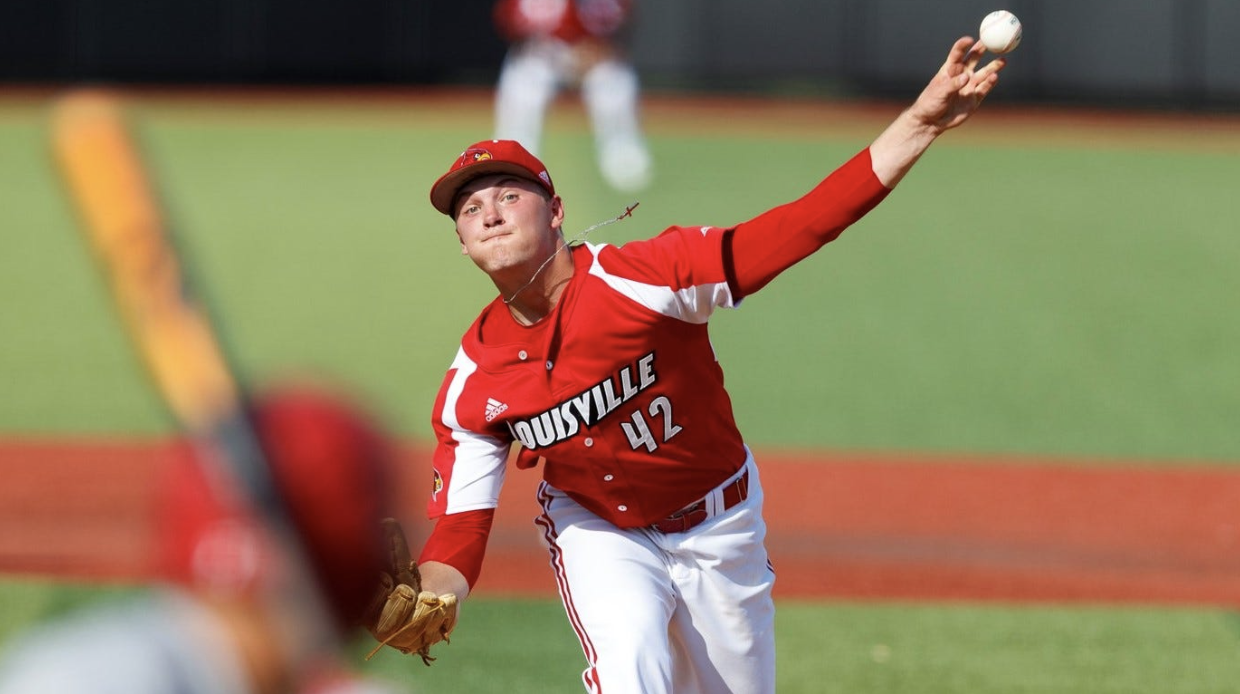
Photo of Reid Detmers taken by Jeff Reinking for the Louisville Athletics
With the entire AL (except the Tigers, Angels, and Royals) within reach of a Wild Card spot and the sky-high demand for pitching, who on Earth is out there? For this article, we’ll look at postseason/frontline pitching that could be dealt. No. 3 or No. 4 starters will absolutely move, but fans of NL contenders are probably more interested in whether their teams can actually survive their respective divisional and championship series via good pitching. Here’s who I see moving:
Casey Mize
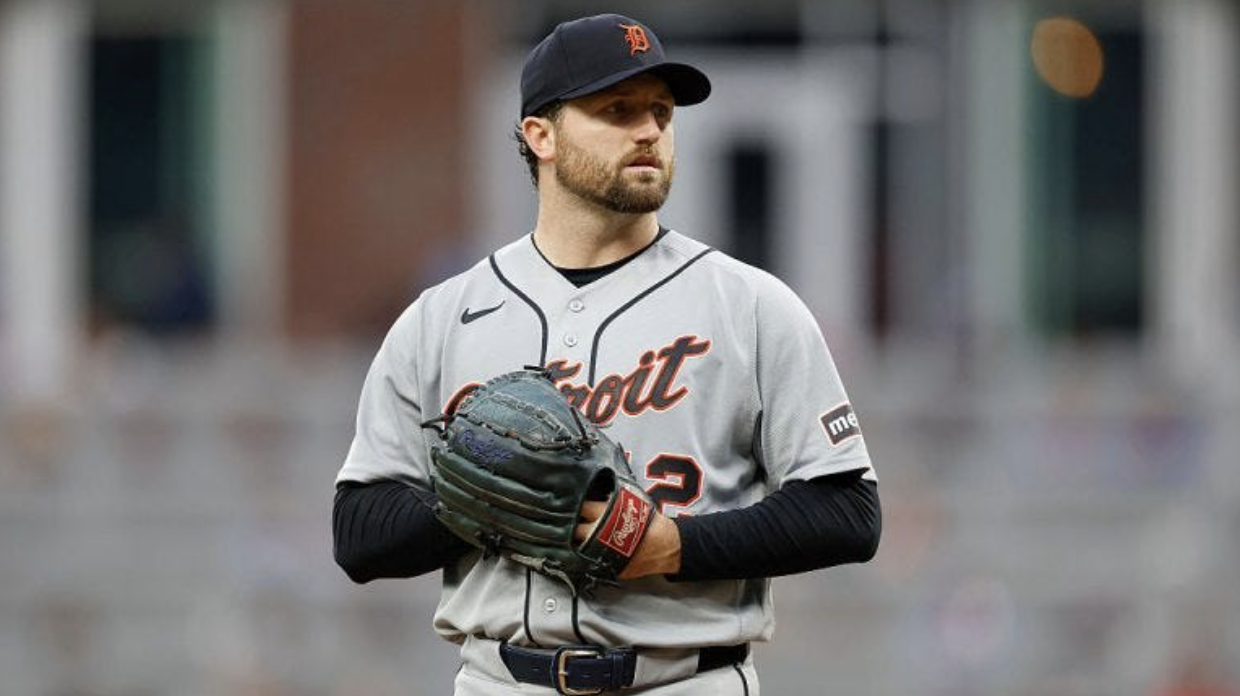
Photo via Just Baseball
Pitching to a 2.64 ERA and a 0.98 WHIP with a minuscule 5.7% walk rate as well as above-average K numbers, the former No. 1 overall pick is beginning to live up to his potential. Since 2024, Mize has avoided major IL stints aside from the occasional lower-body strain. Teams can be confident in his ability to not just pitch in October, but also to dominate a lineup.
Main Suitors: Braves / Cubs / Cardinals / White Sox
Despite having a surplus of No. 4 starters, the Braves don’t have much at the front of the rotation behind Chris Sale. They can’t afford to wait for recoveries from Schwellenbach, Strider, or Smith-Shawver, or an emergence from a prospect like Owen Murphy or JR Ritchie. If the Braves want to make a run at the World Series, they need one more real arm.
The Cubs have been decimated by injuries. Edward Cabrera, Ben Brown, Cade Horton, Justin Steele (and more in the bullpen) are all on the IL for significant time. While we’re likely to see the North Side in October, assuming their duct-tape rotation can work the rest of the season out, for now they have nearly nothing in the way of postseason arms. Unless Imanaga can figure it out, the Cubs really don’t even have a No. 2 arm. If they decide to make a push for it, Mize is a great option, but they may wish to pay a higher price for a more controllable arm that they can use next season when their other arms return.
St. Louis was supposed to be rebuilding, but they now find themselves in a constant struggle with the Brewers and the Cubs in the NL Central. There’s a very real chance the Cards clinch a spot. If they want to make a push for it and pivot from a “rebuild” into a “retool,” the Cardinals could absolutely go for Casey in order to forge a rotation of McGreevy, Mize, and May. They could get it done in October assuming the bats are still hot. The front office may be cold-blooded here, and as much as we’d love to see a playoff push from a rebuilding club, it’s a real possibility they just ride it out with what they have and continue with the reset. St. Louis could even take the same route as what I proposed for the Cubs, and acquire someone with more club control for next season’s rotation.
The Tigers’ situation gives Braves GM Alex Anthopoulos his opportunity to work his magic again. Given both Skubal and Mize are impending free agents, Scott Harris would be insane to not cash in on prospect value to help Motor City retool. If a Skubal deal never materializes, Detroit’s front office may be inclined to take lowball offers on Mize just like the BoSox did with Chris Sale. The Braves may never make a deal like that again, but AA is a wizard nonetheless. Atlanta went for a similar, small-scale deal last year where they sent Rafael Montero to the Tigers in exchange for Jim Jarvis, who is currently enjoying a big league cup of coffee after hitting over .300 with AAA Gwinnett. Montero, on the other hand, signed a minor league deal with the Yankees after finishing his season with a 4.68 ERA in relief. The Braves can make some wild deals. Even if they can’t get Mize at a real bargain, they have the prospect depth to pay full price. If Mize is getting moved, Atlanta is a logical destination.
In the American League, the South Siders are sitting in first place in the Central and have a real pitching staff, bullpen, and batting order despite losing 121 games just 2 years ago. They should absolutely spend big at the deadline. Their stacked farm system has four top 100 prospects as well as excellent high-floor chips. It’s time for the ChiSox to push the chips in, nab Casey Mize, a reliever, and probably one more bat.
Freddy Peralta
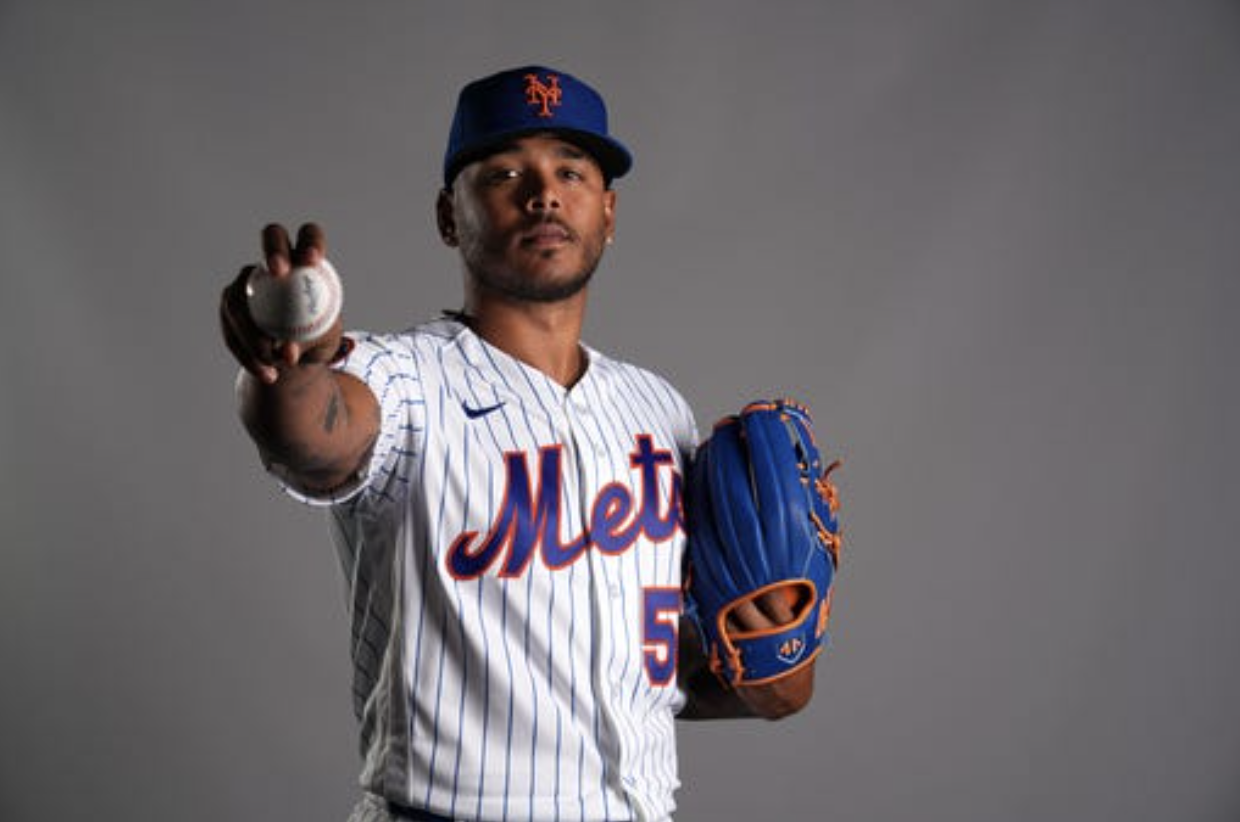
Photo by Jeff Roverson for the AP
The Metros are 38-53 and are 15.0 games back in the NL East… so they’re probably selling. They’re in a similar boat as the Tigers. Just like Detroit has Riley Greene and Kevin McGonigle, New York has Juan Soto, Francisco Lindor, and others. A soft retool is probably in the works if the Mets want to put up a fight for the division next season. Trading Freddy Peralta is the primary step toward that. I've covered his work before, but the long story short is that his 4.68 ERA isn’t nearly as strong as his estimators. Freddy could still provide valuable October innings as he fills up the zone, using an effective changeup while mixing in some glove-side breakers to get the swing-and-miss.
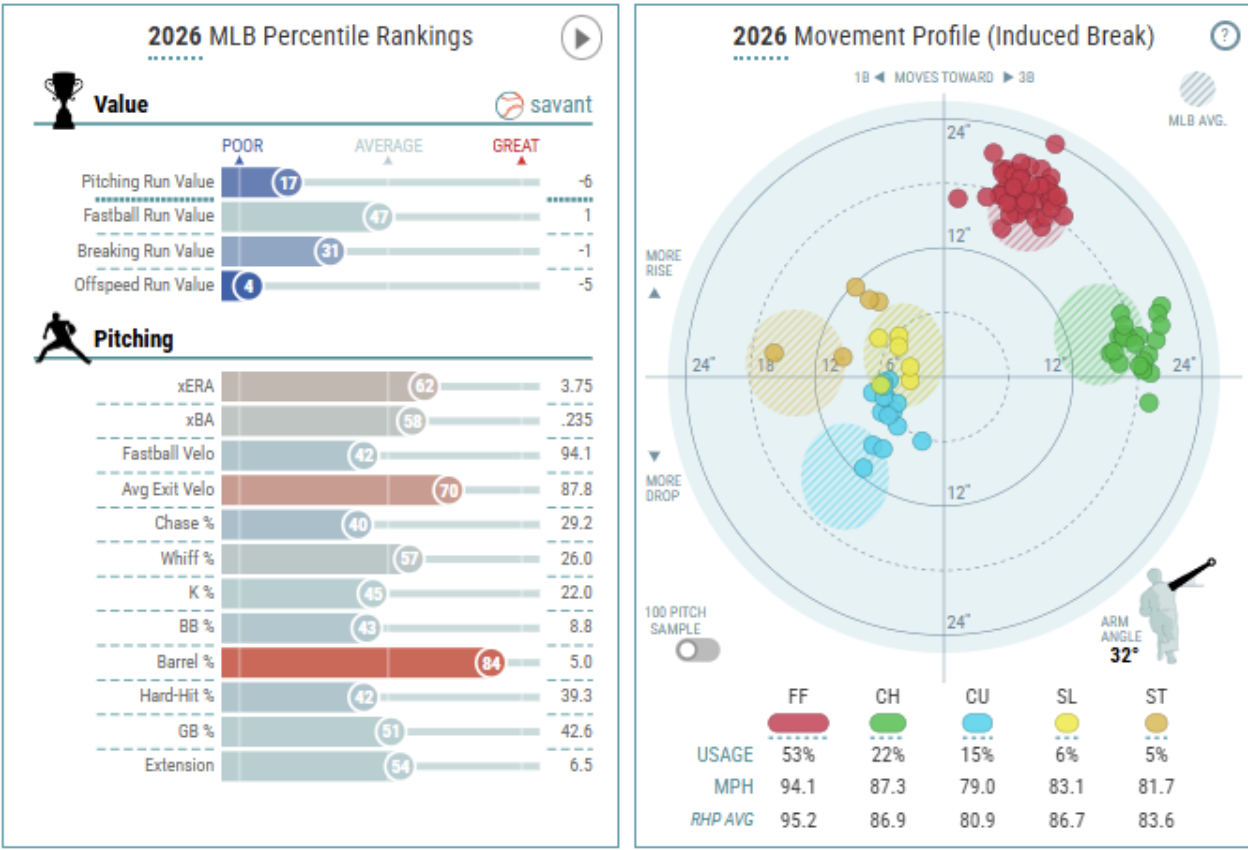
Freddy Peralta’s Baseball Savant
Main Suitors: Braves (again) / Diamondbacks / Padres / Brewers(?) / Rays
If the Mets are willing to sell within the division, the Braves could absolutely get Freddy Peralta given their depth and Peralta’s performance. It’s a similar story as Casey Mize, but Peralta hasn’t shown the elite in-game results that the Tigers’ No. 2 has.
Assuming they’re willing to push against the Pirates, Nats, and Cardinals to secure a playoff appearance, Arizona may be Peralta’s change of scenery. The Diamondbacks staff seriously lacks strikeout stuff and Corbin Burnes and Ryne Nelson are both injured. Their offense has been below average too, but if the D-backs want to make any push in this window, it should probably be this year. Adding a bat with Freddy at the deadline could mean we see Corbin Carroll and Ketel Marte in October. Don’t get it twisted, seeing the Snakes in the postseason will depend on their offense, but given how fragile the standings are today with half the NL within five games of a wild card, a push from Arizona could squeeze them into the playoffs.
It’s a similar story for the Padres, but their rotation doesn’t just lack strikeouts, it lacks arms. The offense hasn’t lived up to the standards of Manny Machado, Tatis Jr., and Jackson Merrill. Like Arizona, if the offense can figure it out, a playoff berth is definitely within reach. An arm like Peralta could provide some vital Ks if they reach October. It’s certainly possible Freddy lands in San Diego, but honestly unlikely given how thin the Padres’ farm is and the potential to add to the All-Jettisoned Team for what is likely an itty-bitty playoff run.
A return to Milwaukee is certainly a possible outcome for Freddy Peralta. The Brew Crew will already have (barring injury) Misiorowski, Harrison, Drohan, and an elite bullpen. Adding Peralta to the mix could rival even the Dodgers’ staff. This would be an absolutely nuclear rotation, but the Brewers need to get it done offensively. The OBP from their entire lineup is awesome, top 4 in baseball, but they’re 28th in homers and that showed during last year’s NLCS against the Dodgers. I think a bat is a more important addition, but if the market isn’t there for Peralta, getting him back in the Milwaukee pitching lab is definitely the move especially given their elite farm.
Best for last. If Peralta is dealt, I honestly think he’ll go to Tampa. Their rotation is anchored by Drew Rasmussen, Nick Martinez, and Shane McClanahan. Tampa Bay has a place in the postseason, and going for it this year would be the epitome of their “machine.” The Rays have been great at finding relievers out of nowhere, putting together an annoying offense that is always a thorn in the sides of the Red Sox, Yankees, and Blue Jays. They cycle through players like no other, never pay a dollar of luxury tax money, draft high, and trade, trade, trade. This is all in favor of “being weird,” and when a good year falls into their lap, it’s usually a really good year. In 2020, they faced the Dodgers in the World Series but mostly stood pat at the deadline. Should they be willing to turn it around and capitalize on the greatness of Junior Caminero, using just a fraction of their farm to acquire Peralta could prove immeasurably valuable for them.
I really don’t expect there to be a huge bidding war for Peralta, but if a lowball offer will get him, he will probably land with Tampa Bay. If the market heats up in David Stearns’ favor, the Braves, Cubs, or Padres would probably be willing to pay more.
Robbie Ray
Broadcast screenshot via MLB.com
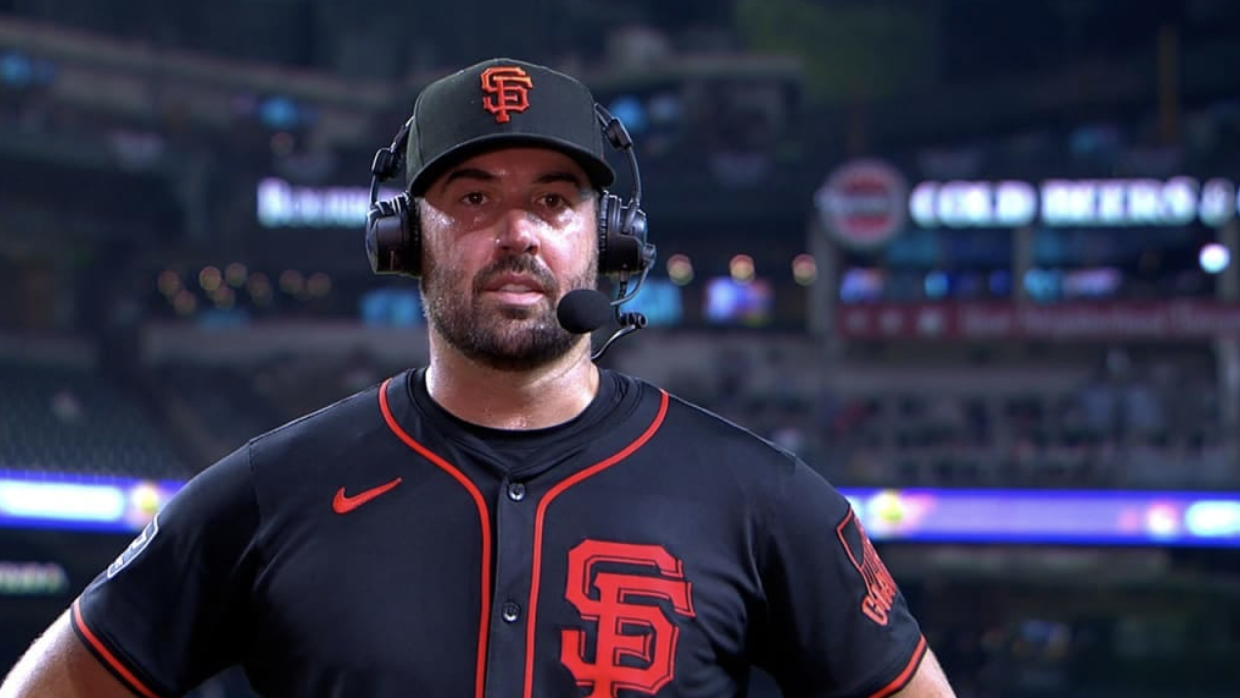
For teams looking for a lefty workhorse to toss Game 3, Robbie Ray is looking to be that guy.
Robbie Ray’s Baseball Savant
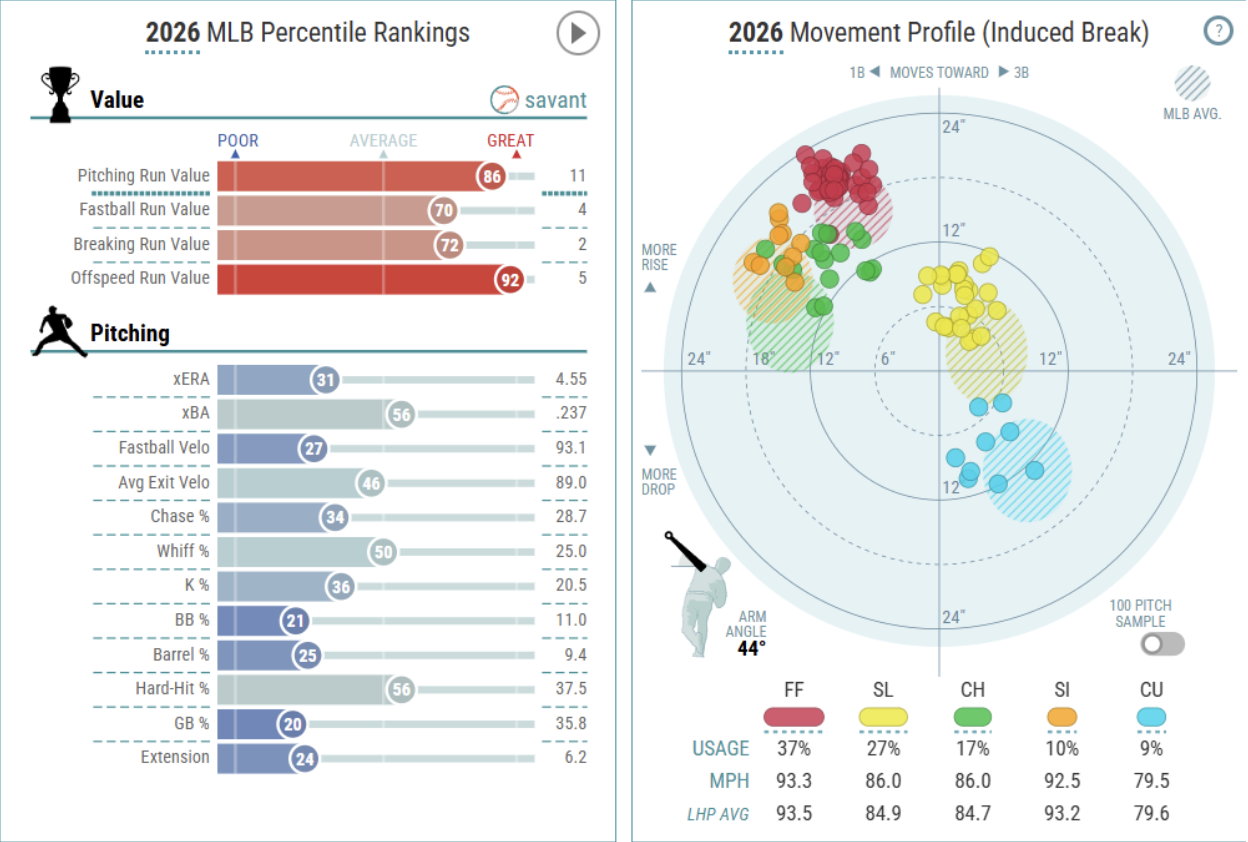
His Statcast card has too much blue for a postseason guy, but Ray’s last several outings have been remarkable. He’s gone six or more innings in every start since June 6th (where he went 5.2), including a gem of a start against Atlanta where he tossed eight innings with one unearned run. Despite an xERA of 4.55, Robbie has consistently overperformed this year, and 13 seasons of MLB experience can absolutely play a hand in the postseason. Ray is not Logan Webb, but if a team is looking for length, he could be dealt for a mediocre prospect package.
Main Suitors: Cubs / Cardinals / Padres / Phillies
The case for both the Cubs and the Padres is simply that they don’t have enough arms. If they want to even make it to the postseason, both of these clubs need an arm like Ray to make a competitive October start. Teams like Atlanta and Milwaukee are shopping for arms to win Game 2 of the World Series, but clubs on the fringe with a thin rotation could be interested in Robbie Ray. The Phillies may be desperate enough to go for another postseason starter like Ray to support their rotation of Sanchez, Wheeler, and Luzardo, but Philadelphia is likely more concerned with finding outfield bats to bolster the middle of the order rather than add another arm. The only team I see shopping for Ray out of October “wants” instead of October “needs” is St. Louis. It’s a similar case as the Cards going for Casey Mize, should they wish to solidify a rotation behind McGreevy. If the price is right, Robbie Ray is an excellent (and alliterative) option.
Reid Detmers / José Soriano
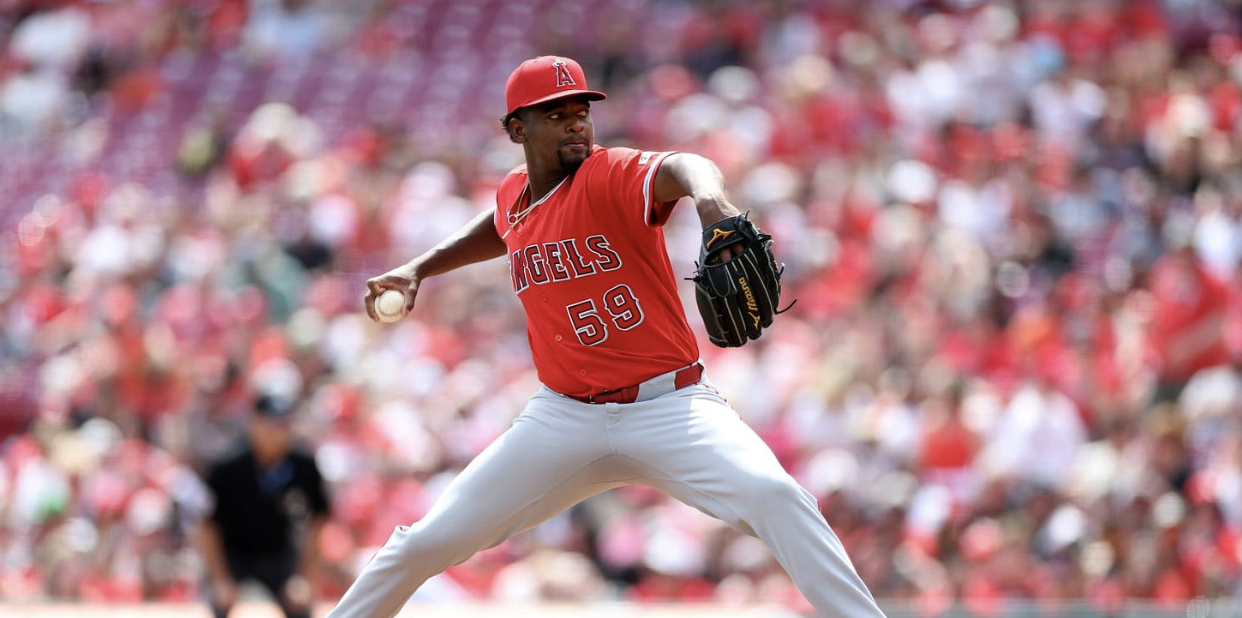
Photo by Carolyn Kaster of the AP
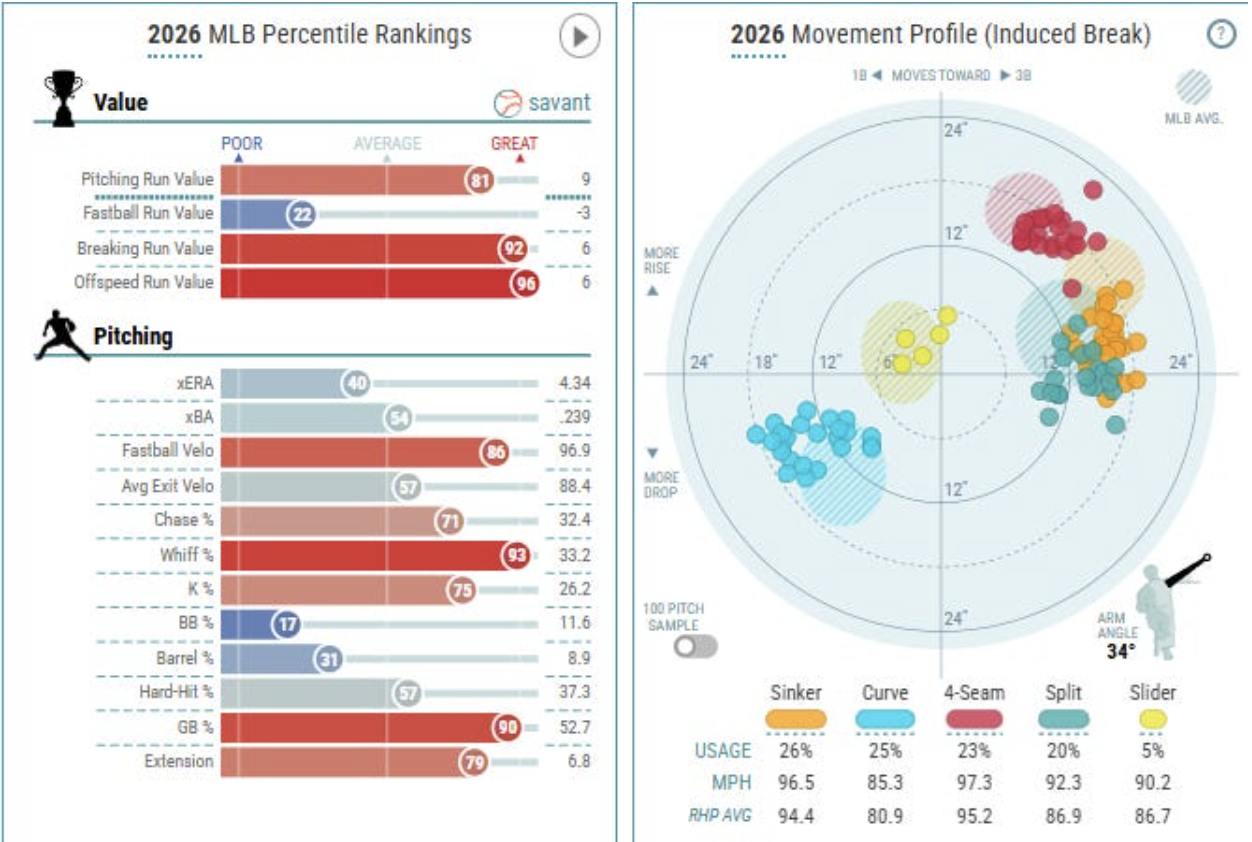
I’ve put the two of them in the same bucket. I covered Reid Detmers back in June, and I still really love the profile and the fastball/slider mix, and he could absolutely fill that aforementioned Game 2 profile. Soriano is fundamentally different. He’s enjoying a 3.42 ERA despite a 4.34 xERA and an 11.6% walk rate as a starter. However, any opposing team facing Soriano will struggle to stomach the arsenal with a 32.5% whiff rate. Stuff+ gives him a criminally average 99, but there’s no way Soriano’s mix is anything less than wipeout.
Soriano’s Baseball Savant
Soriano is punching tickets constantly with an 85 mph curveball, a downer sinker and splitter, and the occasional 97 mph heater. AL clubs being forced to face Soriano in the postseason will likely generate a 15-strikeout highlight reel. Soriano can survive walking more batters than some relievers as a starter by striking out the world and getting the double-play ball whenever he issues a free pass (peep the GB% of 52.7). I put both Detmers and Soriano in the same section despite the differences in their arsenal because both are excellent pitchers for a club that’s clearly out of it, and both are well controlled through 2028. This is a deadline classic—the Angels should deal Soriano and/or Detmers for a solid prospect package to a contender that’s desperate for October strikeouts—but they probably won’t. Regardless, the Braves, the Cubs, or even the Dodgers would pay for Soriano especially. Anaheim has two gems that would fetch genuine returns, lleading the franchise into future success. The only problem is that we’ve been saying that for years.
The Angels should’ve started their rebuild way back in 2023 by dealing Shohei Ohtani before he became a free agent. The firing of Perry Minasian in favor of installing John Mozeliak in the short term is an edge case for their deadline activities. Mozeliak will likely stick with the status quo, draft as the Angels have historically, and soft-sell at the deadline unless blown away by a package. Unless the new hire makes a massive deal that kickstarts the rebuild and can secure his own long-term contract, the Angels will enjoy having an extra 4.5 WAR between both starters on hand despite going 726-828 since 2016. They could literally win 100 games in a row and still have a losing record over this stretch. Anaheim simply refuses to tear it all down and start fresh.
Other names?
Joe Ryan of the Twins is pitching to a 2.85 ERA with his “invisiball” and some elite command (116 Location+ on the heater). Minnesota is hovering around .500 and would have to implode their season to sell high on guys like Ryan and Jeffers. I don’t see their ace moving unless blown away by an enormous haul.
Sonny Gray has been nothing short of excellent while the Red Sox have been nothing short of disappointing. Usually, he would be a major candidate on the trade block, but contract complications will likely keep him in Boston. The right-hander has a massive $10 million buyout for next season, and he retains a full no-trade clause. He did waive it in the Cardinals deal, but there’s no guarantee he does the same for another. Sonny Gray is effectively guaranteed to enter free agency after this season, as he will likely decline his mutual option. At the end of the day, Gray will be expensive in more ways than one, and lowball offers are unlikely to come through because the acquiring club will probably have to assume Gray’s buyout.
Michael Wacha of KC could also be moved at the deadline, but they’ve been historically hesitant to sell established starting pitchers when they’re clearly out of contention. The only notable examples are the Danny Duffy sale in 2021 and Zack Greinke back in 2010. The Royals generally avoid deals that would cost them innings.
At the end of the day, nobody knows who will be dealt at the deadline. Trade speculation is always an attempt to step into the mind of front offices, and we can make strong inferences based on team needs and prospect capital, but we won’t truly know how this shakes out until August 3rd.
About the Author
This article was produced by amateur stat nerd and pitching enthusiast Ransom Fassett, you can find him and more deep-dive reviews on Substack.