
What happened to the 12-6?
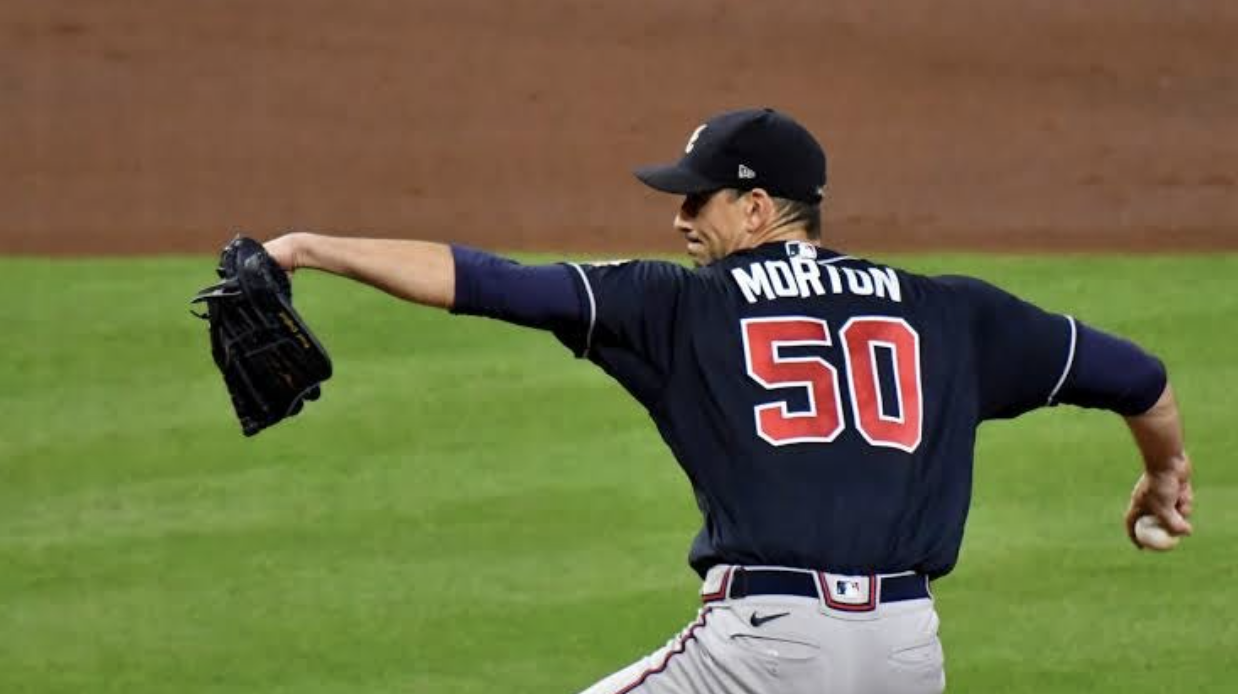
Photo by Curtis Compon for the AJC
The curveball is the most iconic pitch type on earth. Whether you mention them as your boss moves your project deadline up by two weeks to “throw you a curveball” or you remember the legendary Clayton Kershaw hammer, the curve is more than a secondary pitch.
The iconic “12-6” movement used to keep hitters off balance has created a popular idiom, fueled the success of high school and MLB pitchers alike, and may be the greatest visual spectacle of a given plate appearance.
But riddle me this…
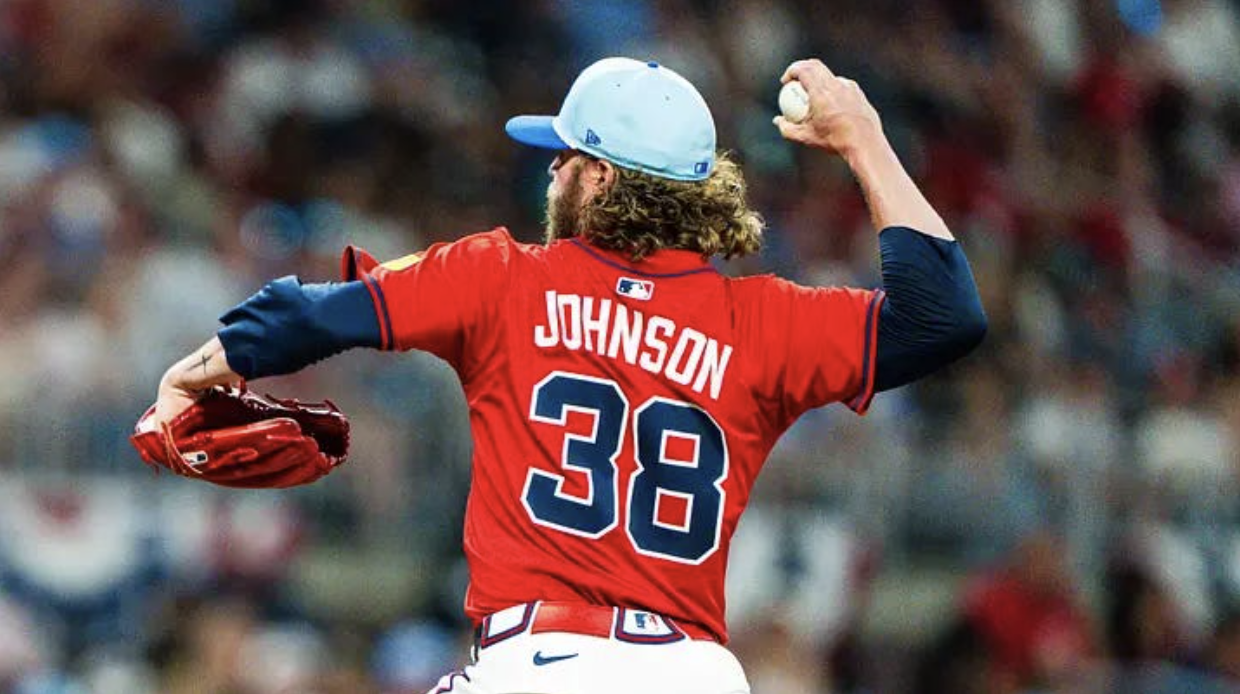
Photo by Kevin D. Liles
Can you name five active pitchers who throw curveballs more than 35% of the time?
Trick question. There are only three, and all of them are outlier arms. Pierce Johnson leads the list with 63% usage, Ben Brown throws the hook in slider territory and doesn’t generate the depth we know so well, as does Trevor Megill.
There were 8,181 fewer curveballs in 2025 compared to 2016, but it’s not like batters just destroy curves now:
Expected slash against 2016 curves — .218/.263/.350
Expected slash against 2026 curves — .216/.275/.344
The curveball is still an effective breaking ball, but the usage league-wide is just not the same. So what’s going on
Sliders are just better(?)
Imagine you’re a MiLB pitching coach preparing the next generation of big league arms. Let’s teach our prospect a breaking ball they can comfortably use 30% of the time (about league average). Would you rather your prospect spin an 80 mph curveball or an 87 mph slider?
The ceiling for a curveball is clear—any pitcher is overjoyed with a hammer that starts high and buckles the hitter as it bends downward and clips the zone for a called strike.
The worst-case scenario for a curveball is also clear—Hanging a curve in the middle of the zone predicts a stat line of .300/.300/.558.
Sliders have a more interesting ceiling. The best sliders start middle-middle and break glove-side and away from a hitter as they take a flailing swing for a whiff, or break to the black of the zone for a strike looking. Both of those work.
Worst-case for a slider is a middle-middle spinner which has similar numbers as the curve… but it’s about 5 mph faster on average. You can hang a curveball at 80, or throw a cookie fastball at 85, pick your poison.
Hitters are also taught to recognize curveball release out of the hand. Since the fingers need to be in front of the baseball, tho bender looks like it “pops out” of the hand.
Some pitchers just give away the fact that they’re throwing curveballs in the first place, so they avoid them.
On the surface, curveballs aren’t clearly worse than sliders stat-wise, but sliders have made up 13.3% of all pitches thrown, while curves are only used about 8% of the time. Curveballs are vastly more unexpected nowadays compared to sliders, but the element of surprise isn't padding the numbers.
But why can nearly every big-leaguer spin a slider?
Biomechanics time! Statcast has tracked arm angles since 2021 (publically, at least). At the time, there were 26 pitchers with an arm angle under 30 degrees.
This year, there are 65.
Lower arm slots usually favor higher velocity to a certain extent. The most material example of this is the fact that none of the top 5 pitchers on the velocity leaderboard have a slot higher than 40 degrees. This is mostly because biomechanical analysis has brought to light that lower slots assist with thoracic spine mobility. Spinal rotation allows for more transfer of energy to the baseball and hence more velocity. This study correlates thoracic spine rotation with increased valgus stress on the UCL, which is a byproduct of higher velocity.
In our never-ending attempt to throw harder, we’ve started lowering slots at the expense of the highest ones. In 2021, there were 57 pitchers with arm angles higher than 40 degrees. There are now 33.

Photo by Troy Taormina for Imagn Images
Among qualified pitchers, fewer and fewer in the majors have an “over-the-top” release, which means we see fewer and fewer curveballs.
It’s difficult to expect someone like Chris Sale to generate the 12-6 break we know and love given his 11 degree sidearm. Falling arm slots are also in favor of baseball’s newest pitch:
Sweepers!

Photo by Lindsey Wasson for the AP
The integration of Hawk-Eye into Statcast tracking brought all 30 clubs the same level of information break-wise. Sliders that sported more than 6 inches of glove-side break had awful stat lines, and Shohei did it!
Jokes aside, the advent of the sweeper was largely due to more consistent coaching for how to side-spin the ball with real command. Your favorite club likely has a sweeper-spamming reliever in or near the majors. Sweeping sliders are excellent especially to hitters of the same handedness as the pitcher. The extreme “frisbee” break has become the favorite secondary for many arms. Nolan McLean favors his sweeper to fellow righties but ramps up his excellent curveball usage against lefties.
Put simply, sweepers are taking away from the counts where you’d expect a pitcher to drop the hammer.
Non-Curveball Curveballs?
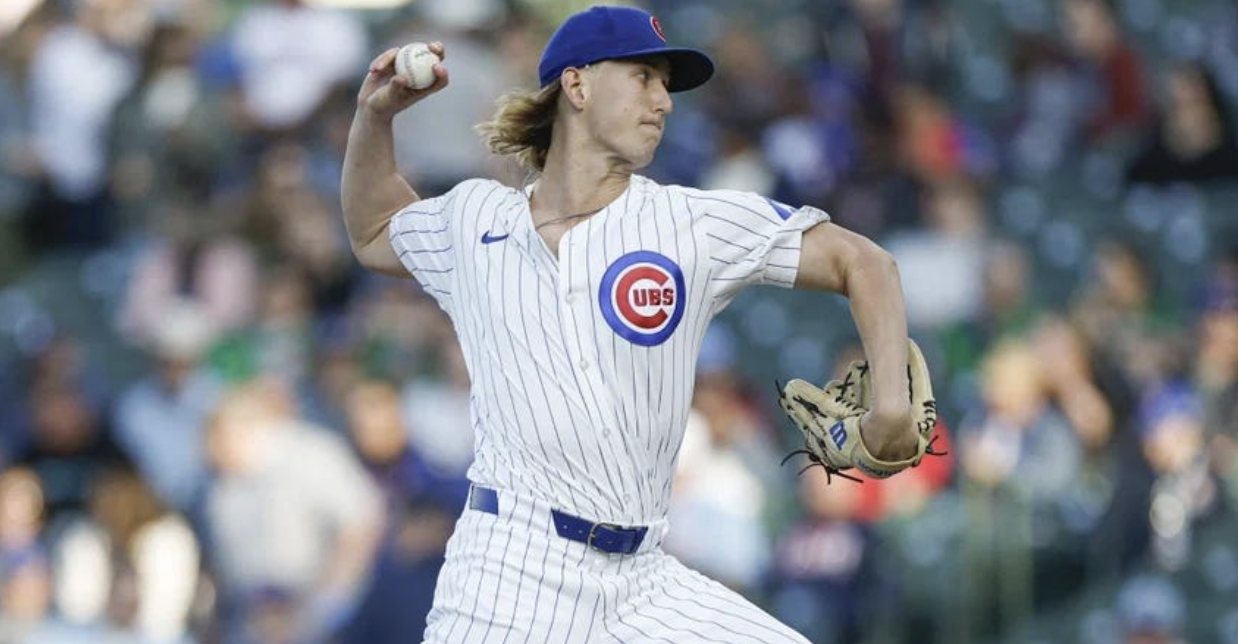
The inspiration for today’s article is Cubs RHP Ben Brown. He throws the hook with an amazing 44.3 Whiff%, and it’s the most valuable curve in baseball.
The wild part? He’s been injured for 5 weeks. Brown has been battling a stress reaction in his neck and still holds the curveball title.
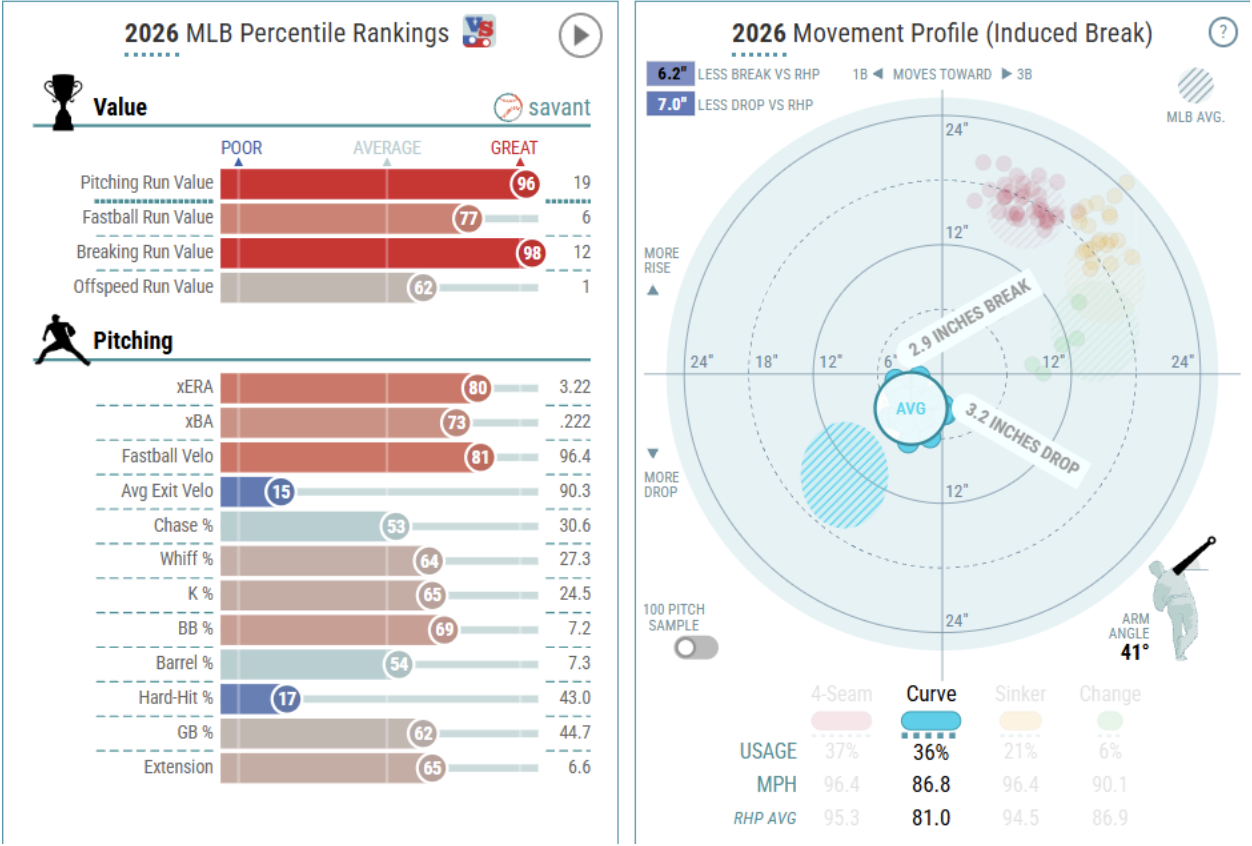
Ben Brown’s Baseball Savant
Brown’s curveball is the definition of a “power curve,” meant to induce swing-and-miss and sit hitters down.
‘Stros RHP Hunter Brown spun his curveball 18% of the time last season and only accumulated 9 runs in 185.1 innings in the AL Cy Young race. Ben Brown, on the other hand, has tossed just 68 innings and already smoked Hunter’s numbers by posting 12 runs.
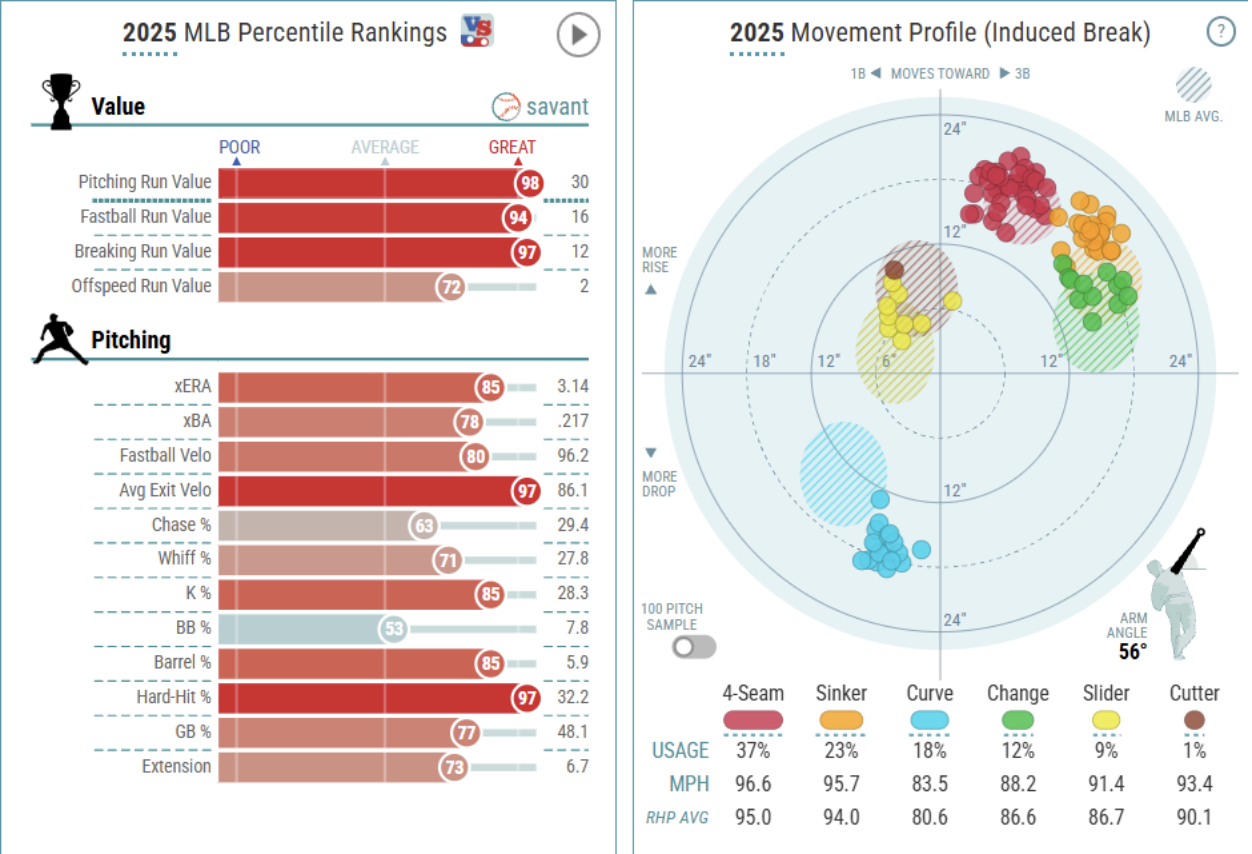
Hunter Brown’s Baseball Savant
It does definitely seem that Craig Kimbrel /Clayton Kershaw-style curveballs are dead, but this is a sample-size issue. If there are fundamentally more sliders league-wide, there are more elite sliders simply because there are more sliders (what a mouthful).
Let’s try that riddle again.
Can you name five pitchers who throw sliders 35% of the time or more?
No trick this time, as there are thirty qualified slider merchants this year. The list includes Tanner Scott, Dylan Lee, Kumar Rocker, Chase Burns, Jacob DeGrom, and others.
12-6 curveballs aren’t disappearing, but their usage situations are becoming increasingly rare. 1-1, 2-2, and 2-1 sliders are just the preferred breaker for many arms in the league. Curveballs have their place in every level of baseball, and when you see usage numbers on the deuce above 35%… maybe sit down for that inning, it’s must-see television.
About the Author: Ransom Fassett is a volunteer sabermetrics writer. You can find more of his coverage and analysis here.